Design
3 designers
Management
1 product owner
Developers
5–6 engineers
QA
2 testers
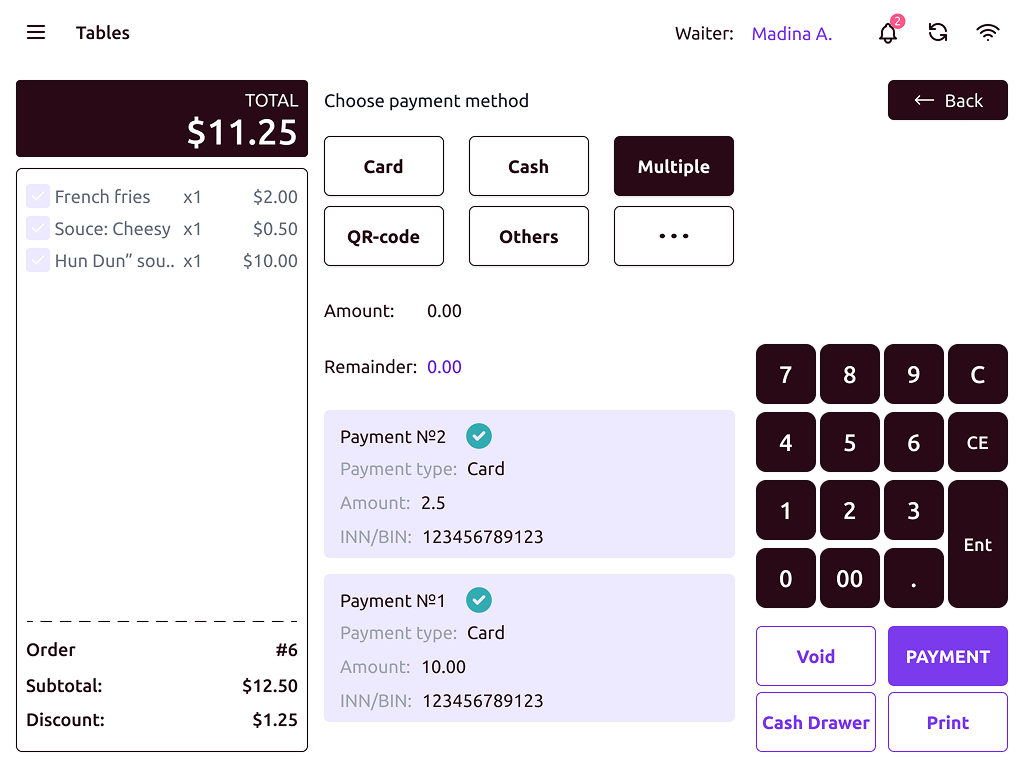
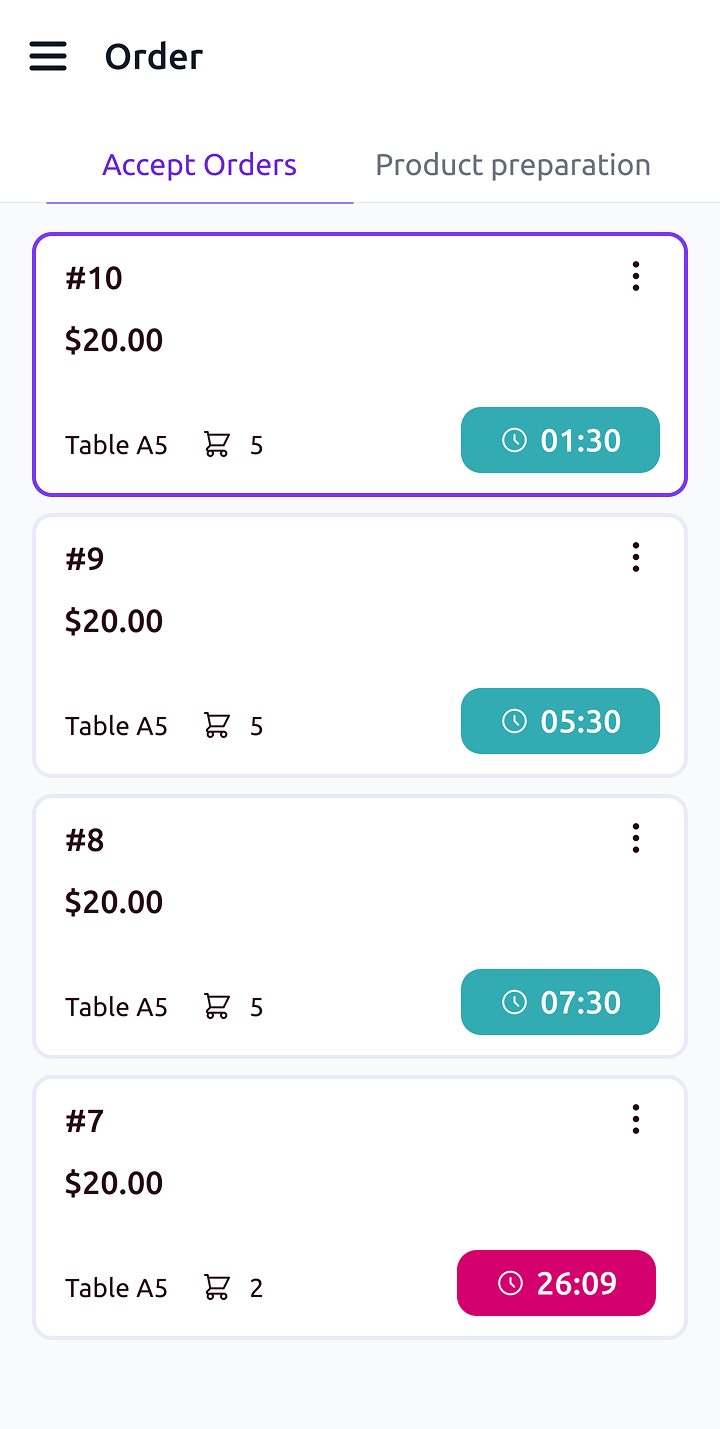
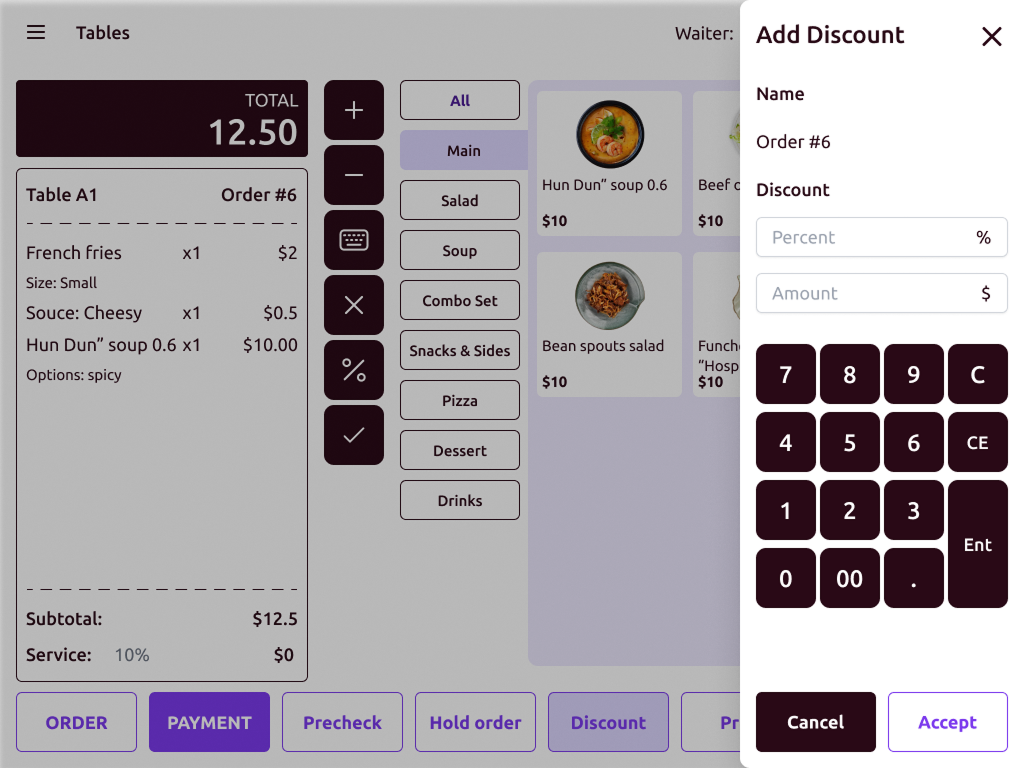
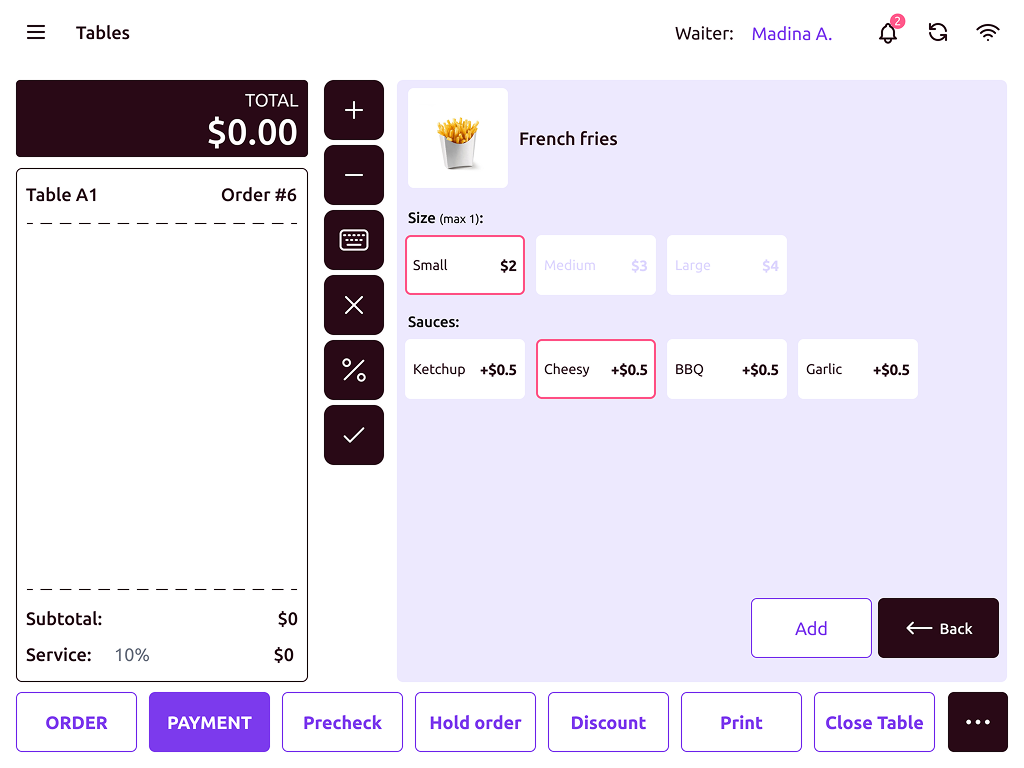
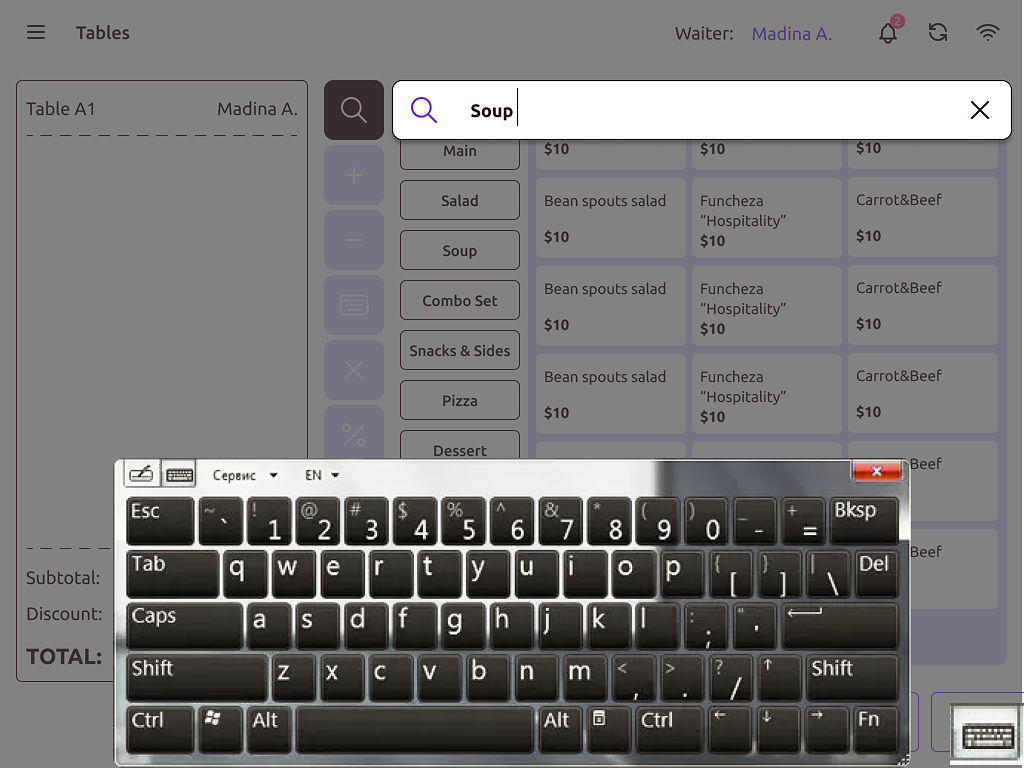
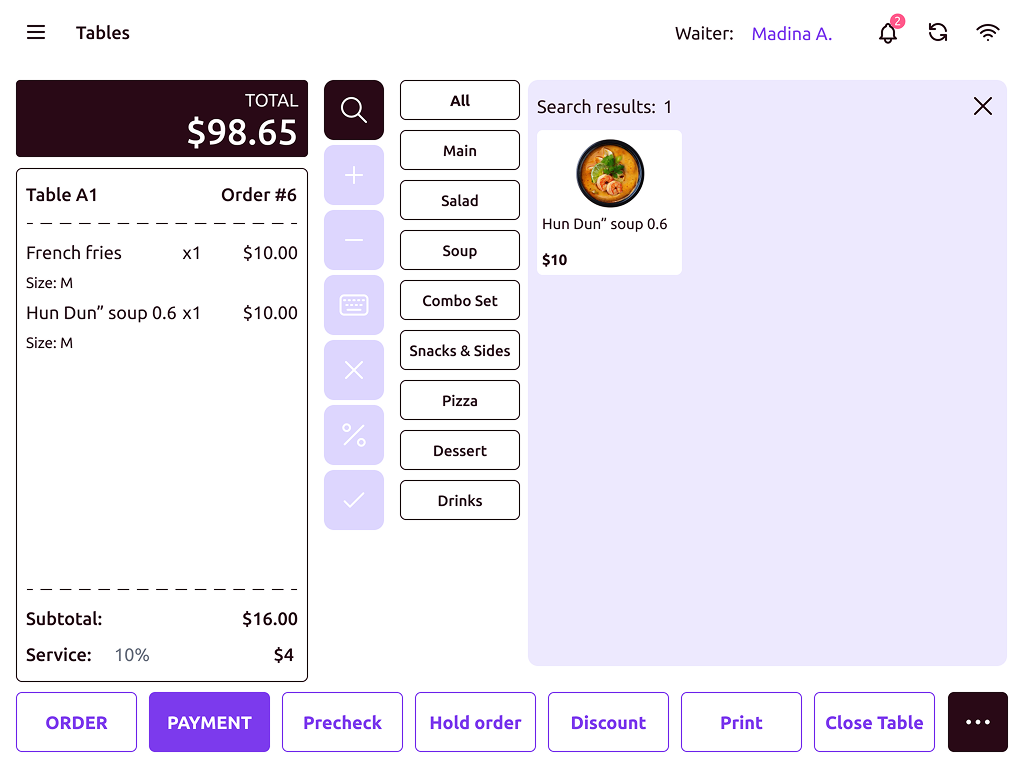
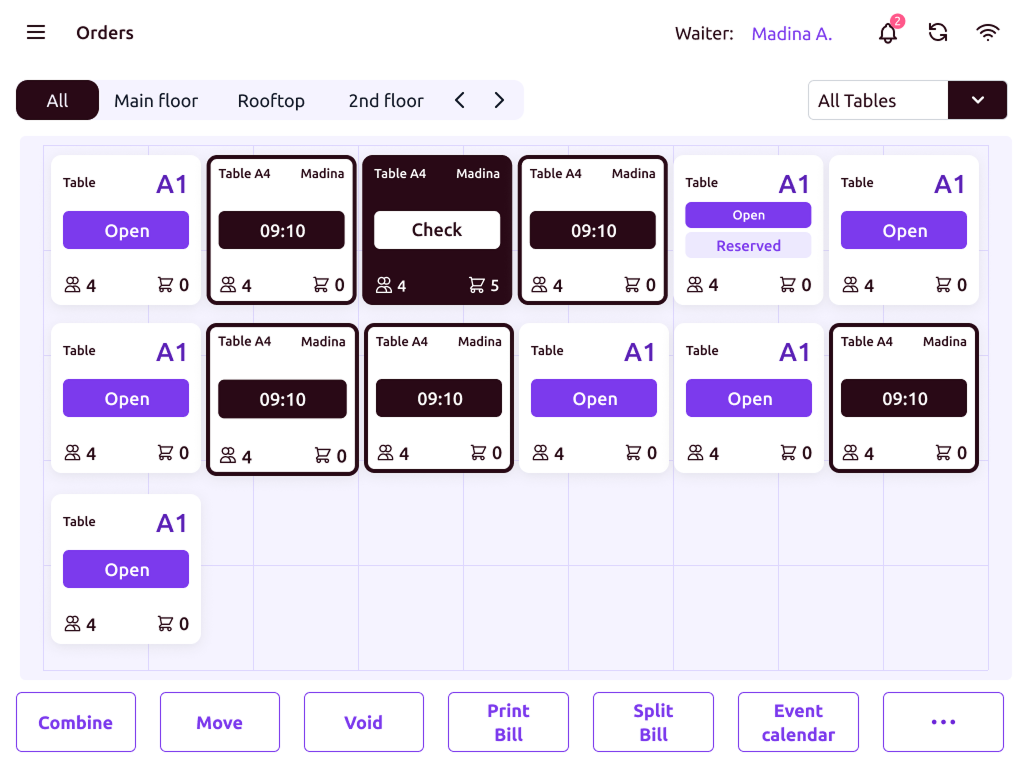
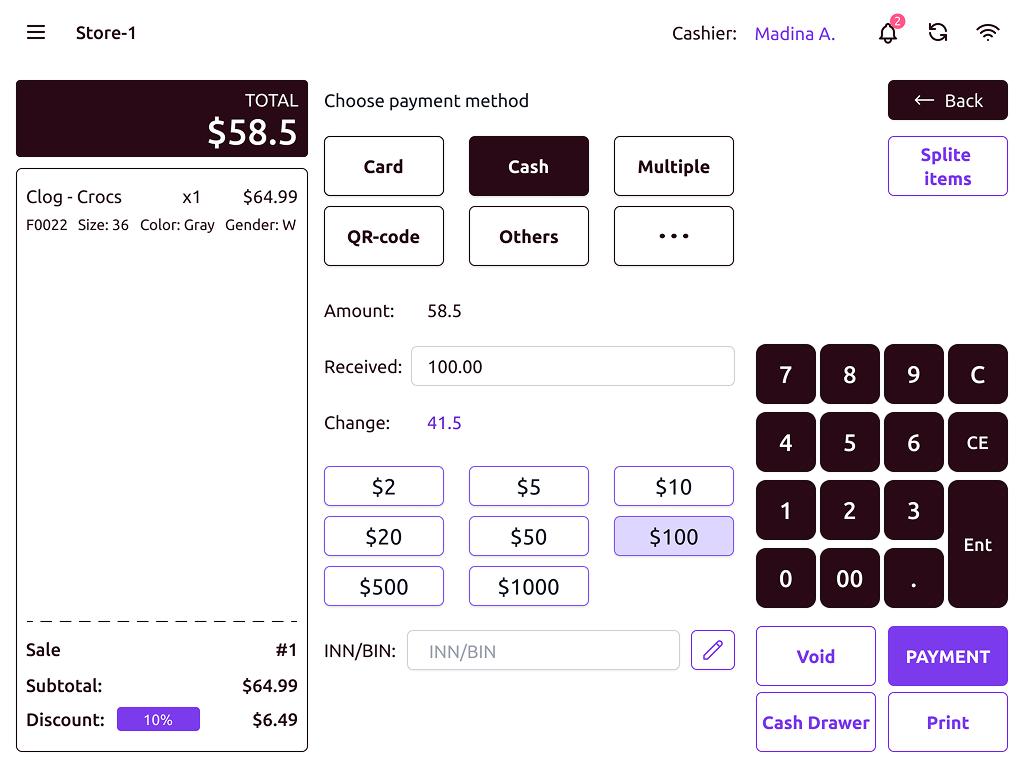
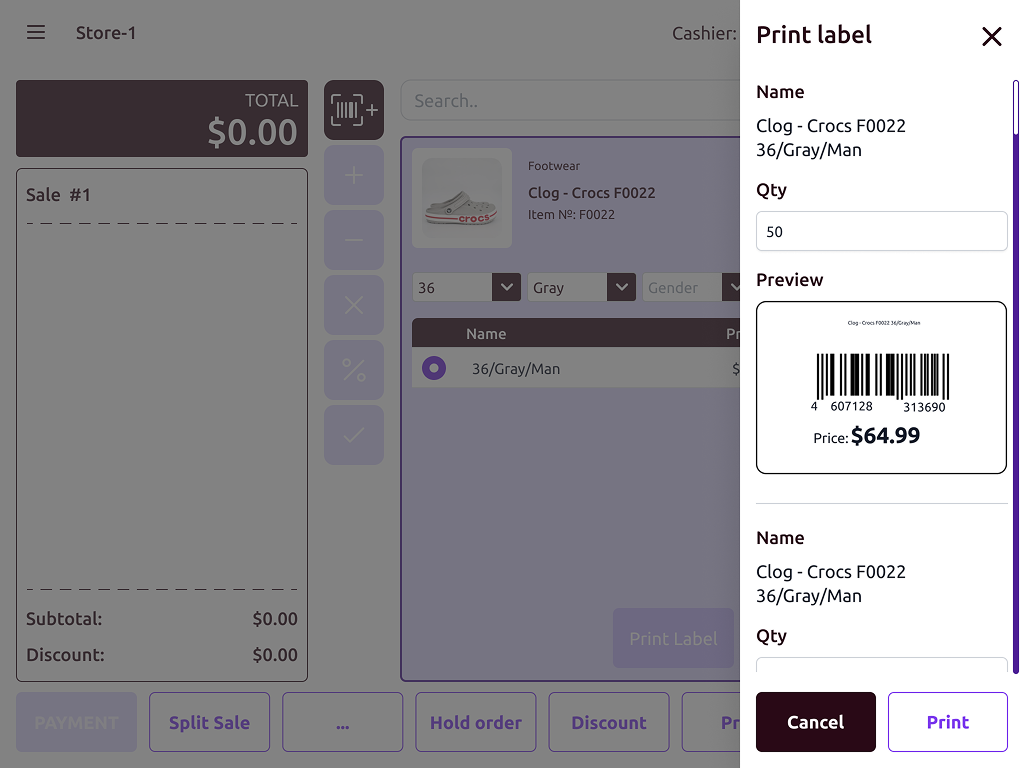
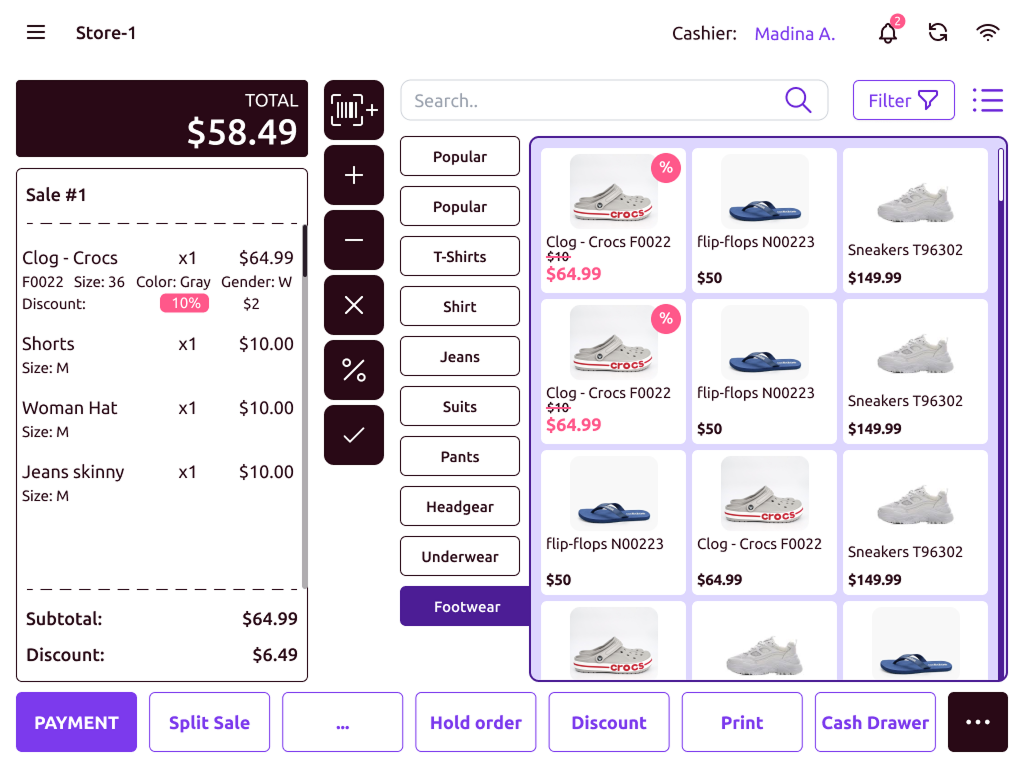
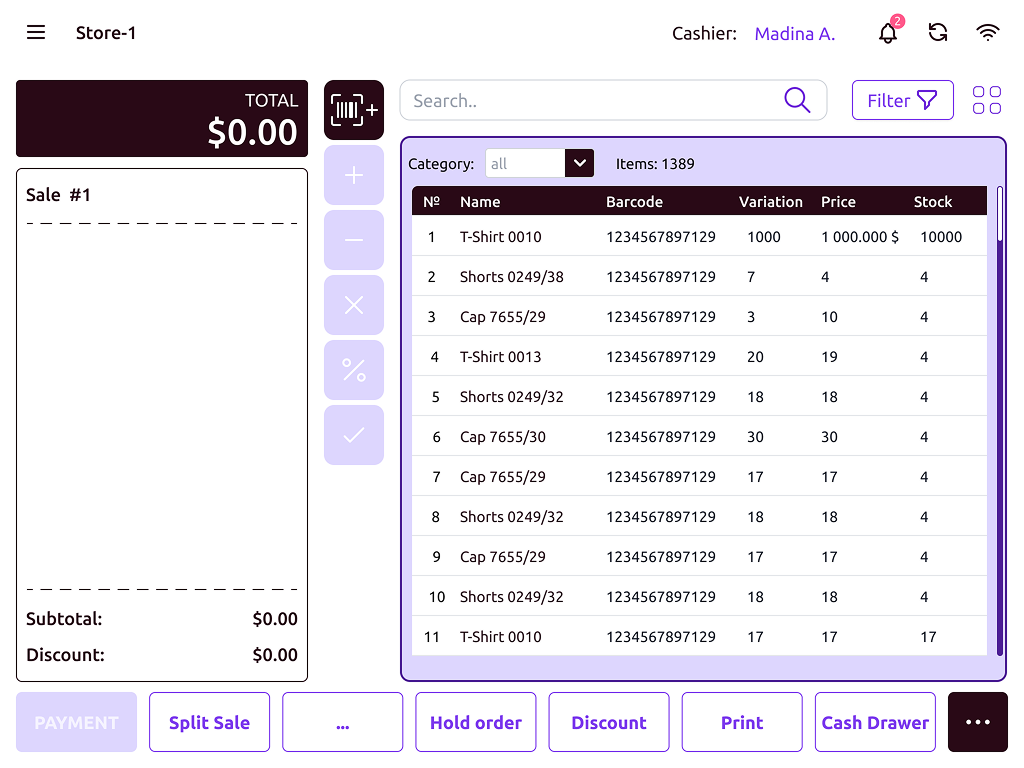
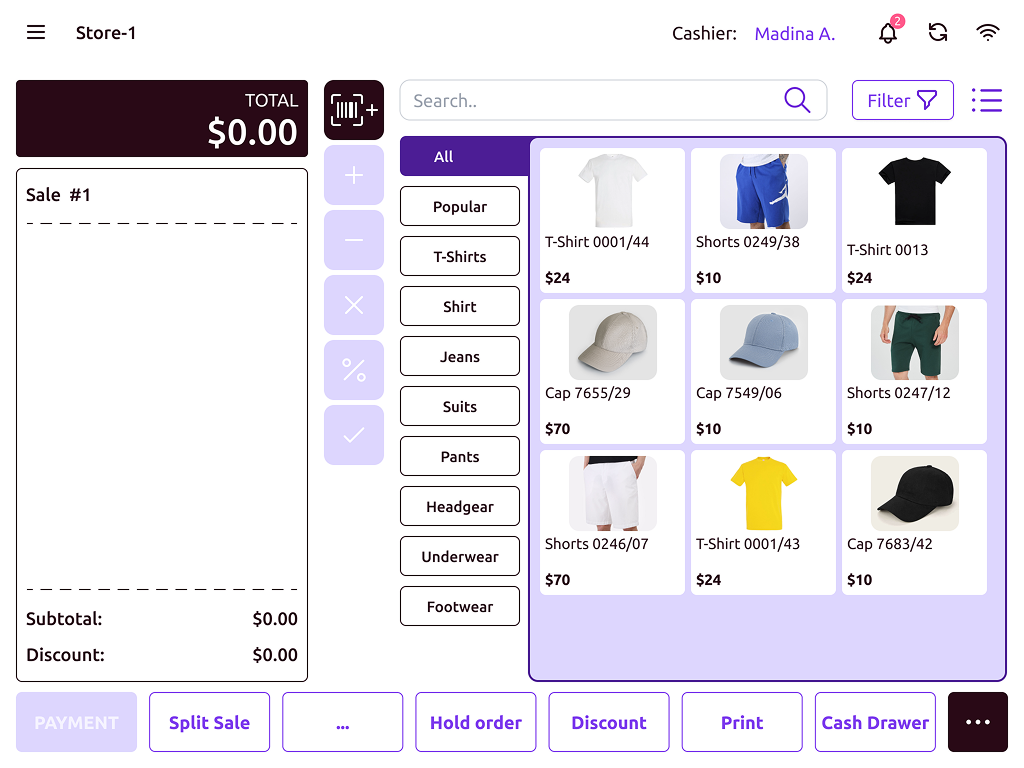
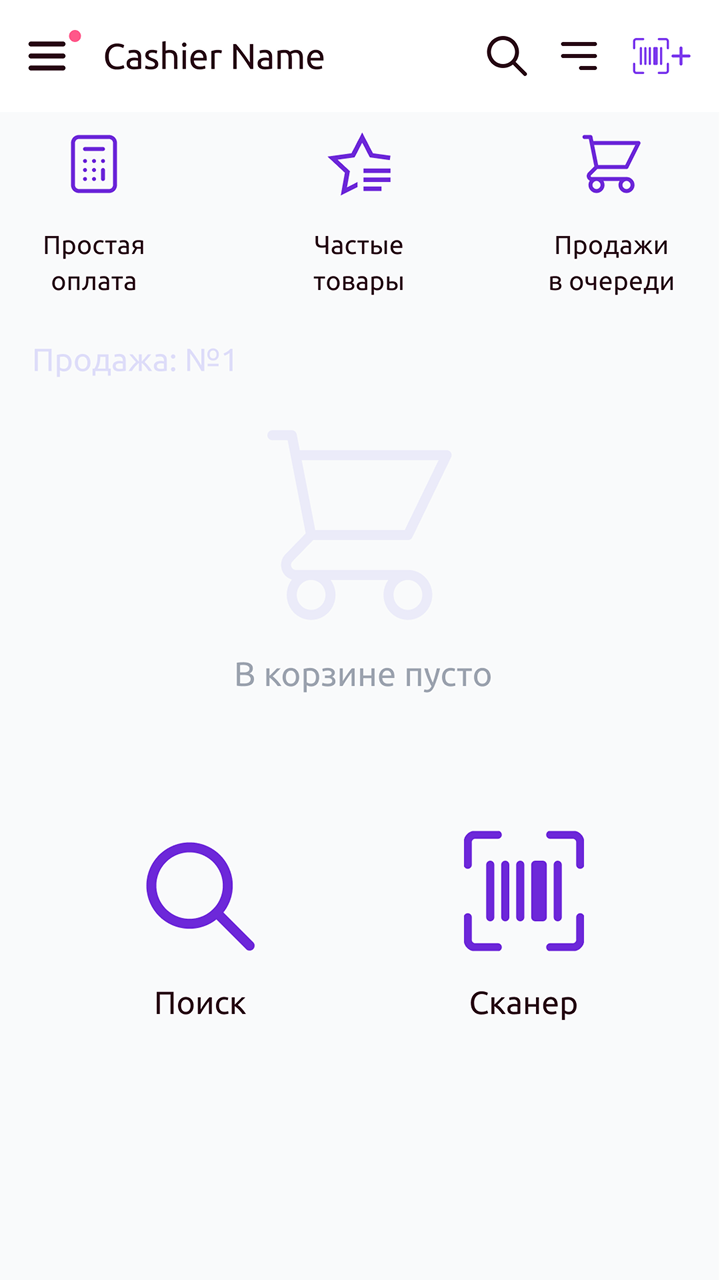
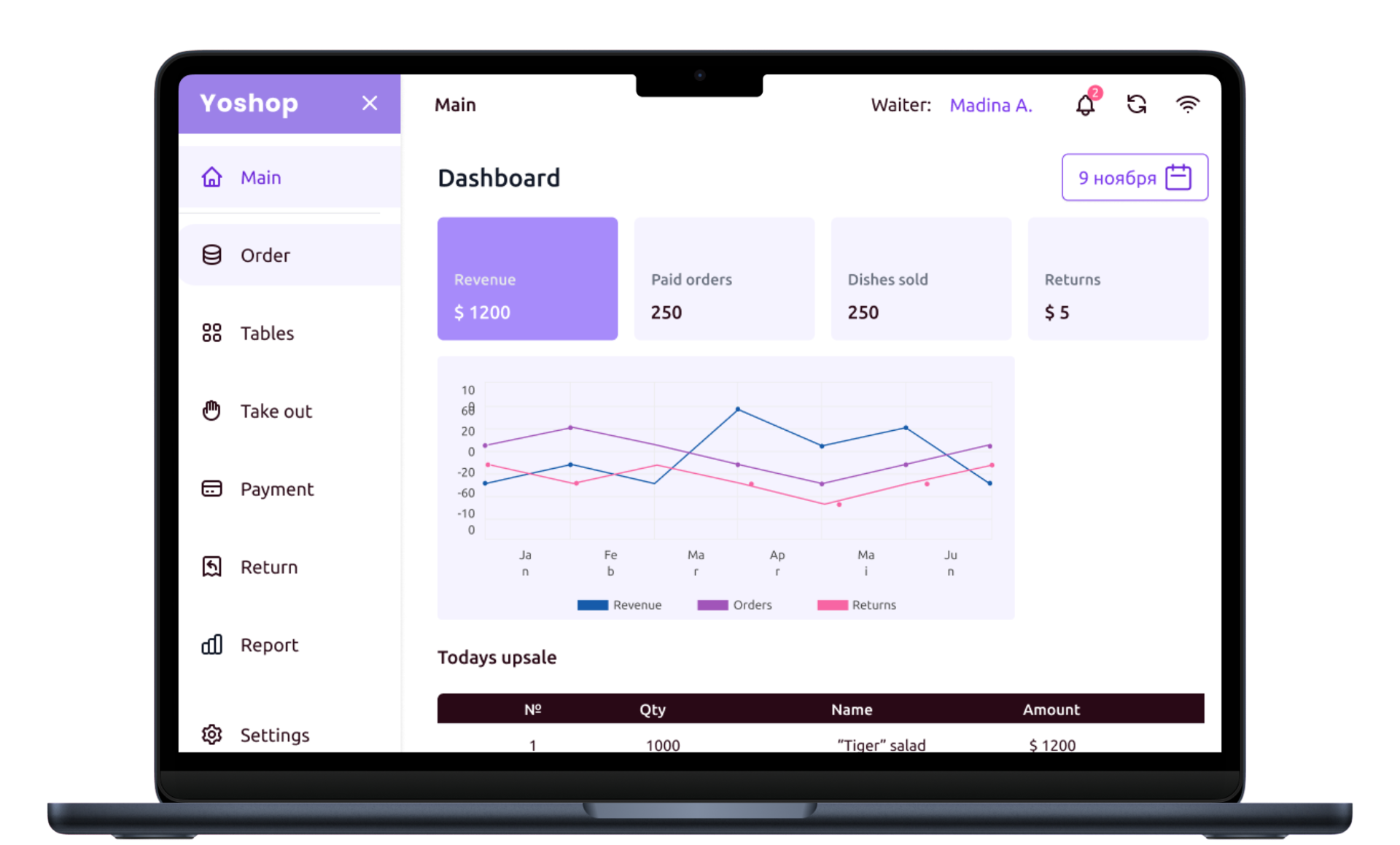
The core challenge was designing a consistent experience across 3 different form factors - monoblocks, Android POS terminals, and tablets - while sharing the same module logic: warehouse, shifts, sales, and reports. Each device had its own constraints and user scenarios that required platform-specific adaptations.
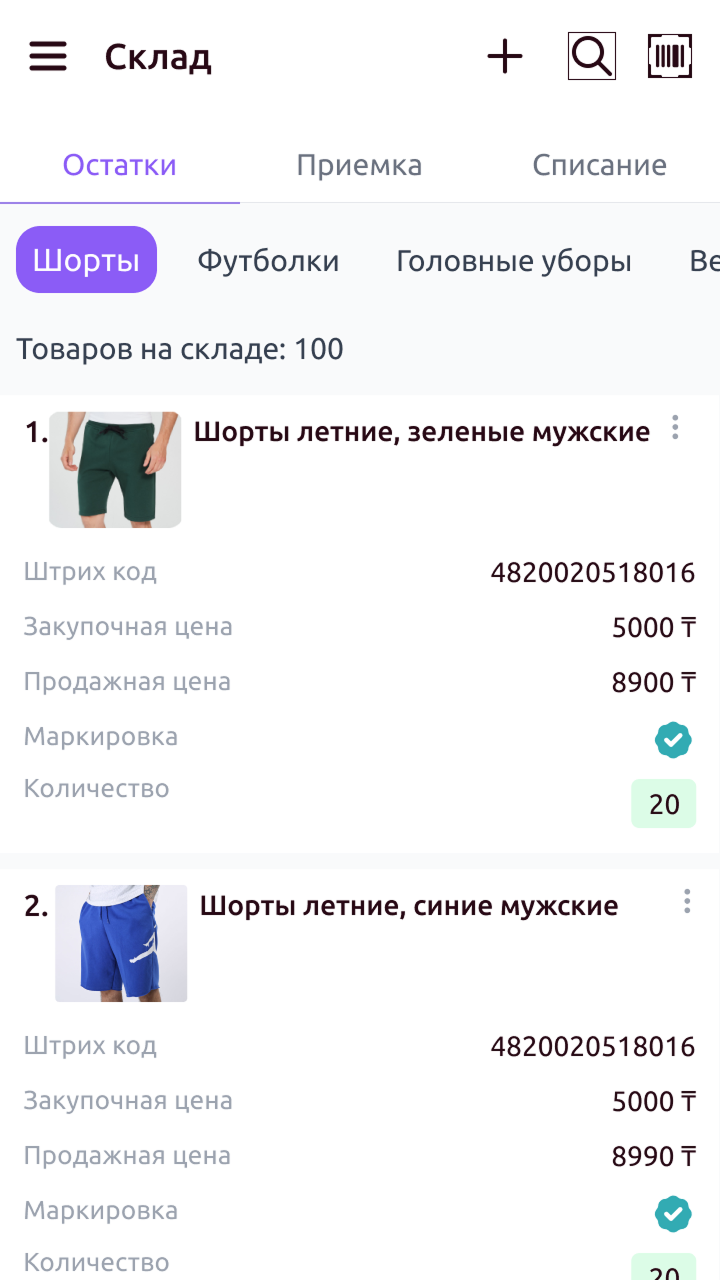
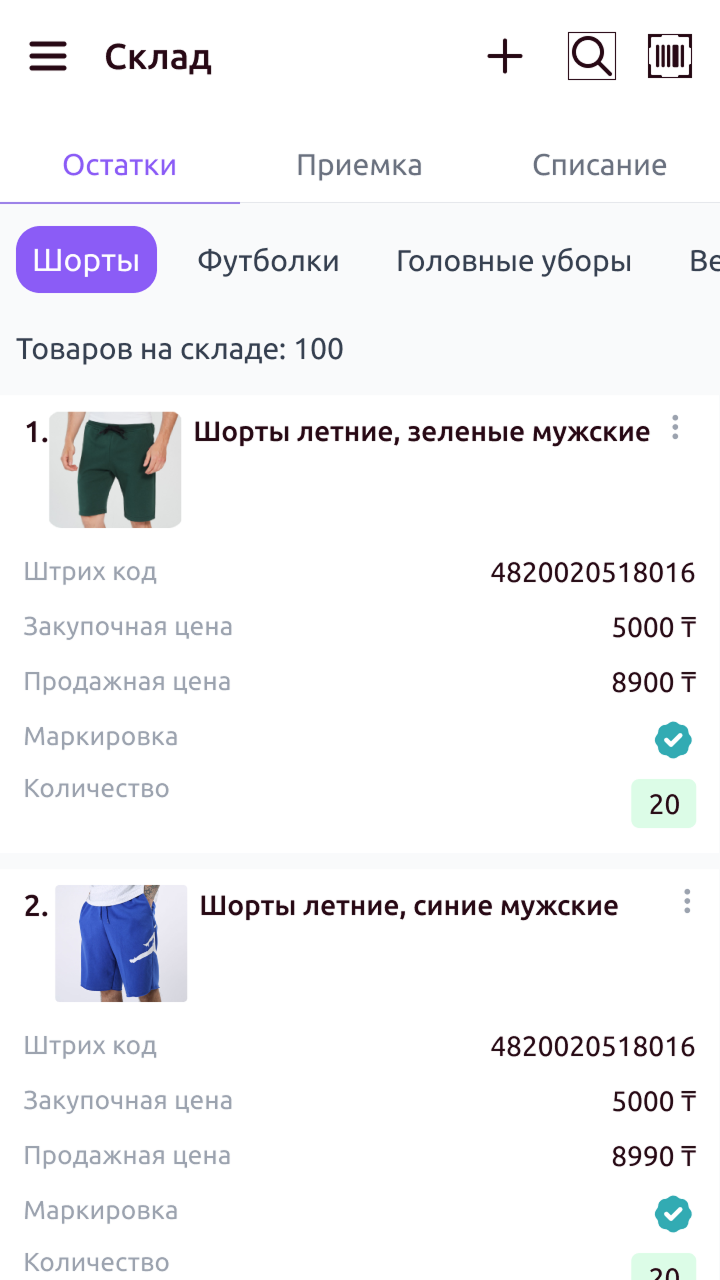
A major pain point was the warehouse module for clothing stores: staff had to scroll through a long, unfiltered list to find stock by size and model. With hundreds of SKUs and multiple size variants per item, daily inventory work was extremely slow. Product creation was equally fragmented - no way to reuse configurations for similar items.
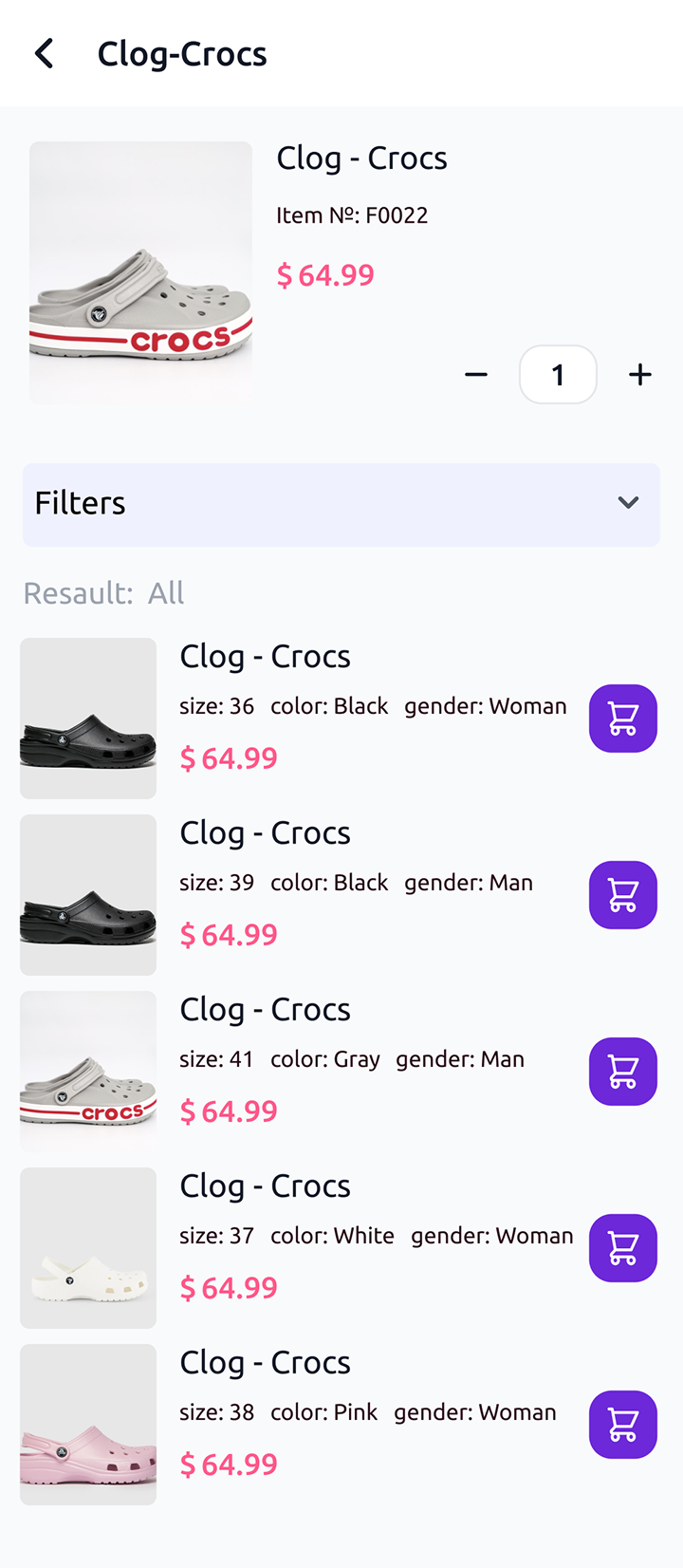
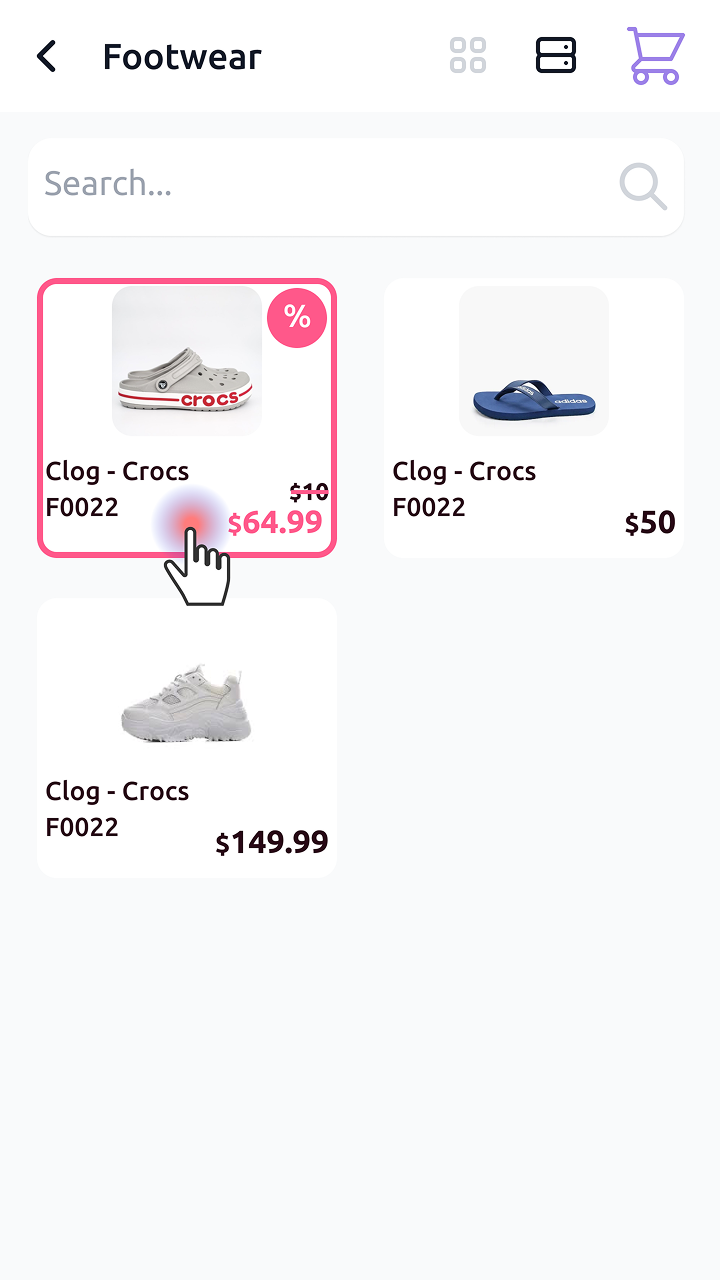
Redesigned the warehouse balance view from a flat list into a cross-filter table - staff can now browse stock by any combination of parameters: category, size, color, supplier. Finding and verifying SKU balances became fast and intuitive.
Designed a 3-type product creation system: simple product, composite bundle (for promotions with multiple items), and template. The template feature lets staff save any product configuration and reuse it - significantly speeding up catalog management for stores with recurring seasonal assortments.
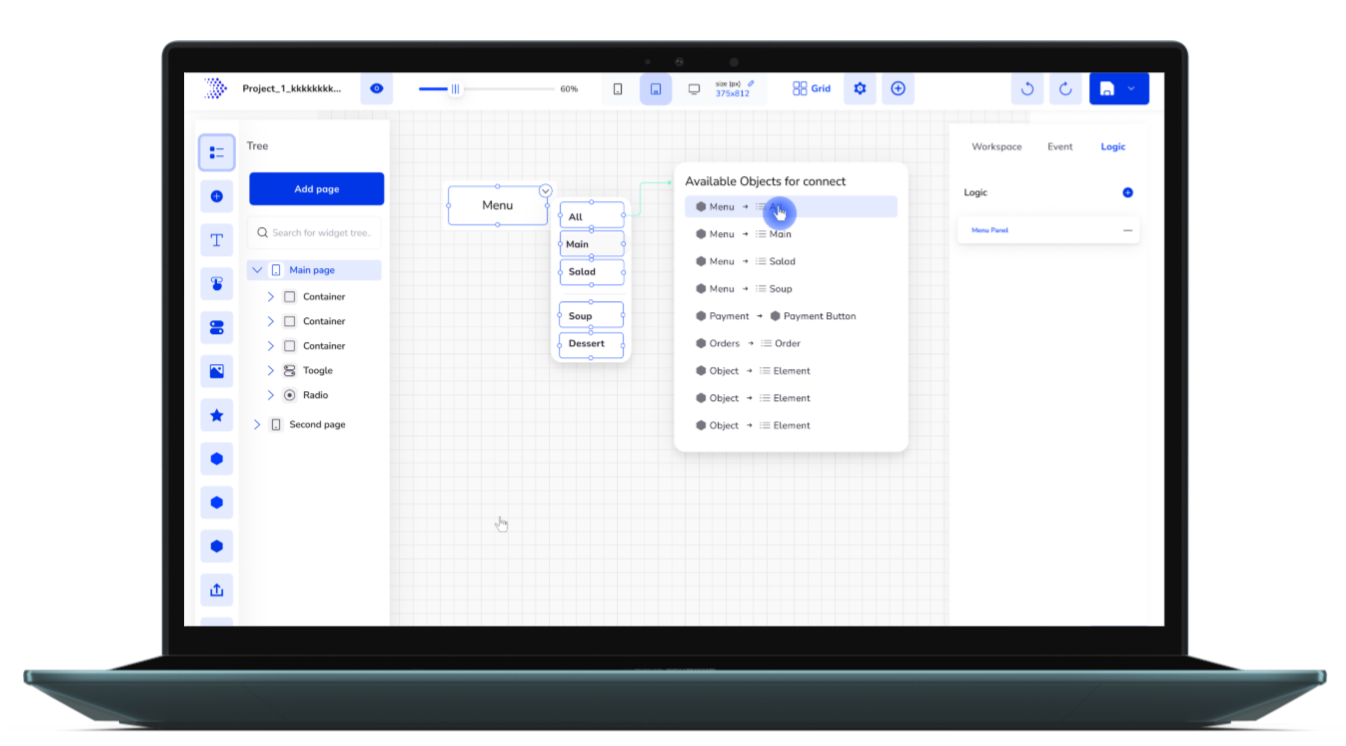
Worked remotely with Finenex (Korea) as 1 of 3 designers, alongside a product owner, 5-6 developers, and 2 QA testers. Used Figma for all design work, Google Docs and Sheets for specs and documentation. Conducted manual testing on real devices - POS terminals, tablets, and monoblocks - to validate interaction patterns and catch edge cases. Researched American and global analogues to benchmark best practices.
100+
Locations using the product
3
Platforms — Monoblock, K9 Android, POS terminal
3
Markets — Kazakhstan, Korea, Uzbekistan
8+
Modules — orders, payments, reports, shifts, warehouse, catalog, reservations, admin
50+
Screens designed across 3 platforms